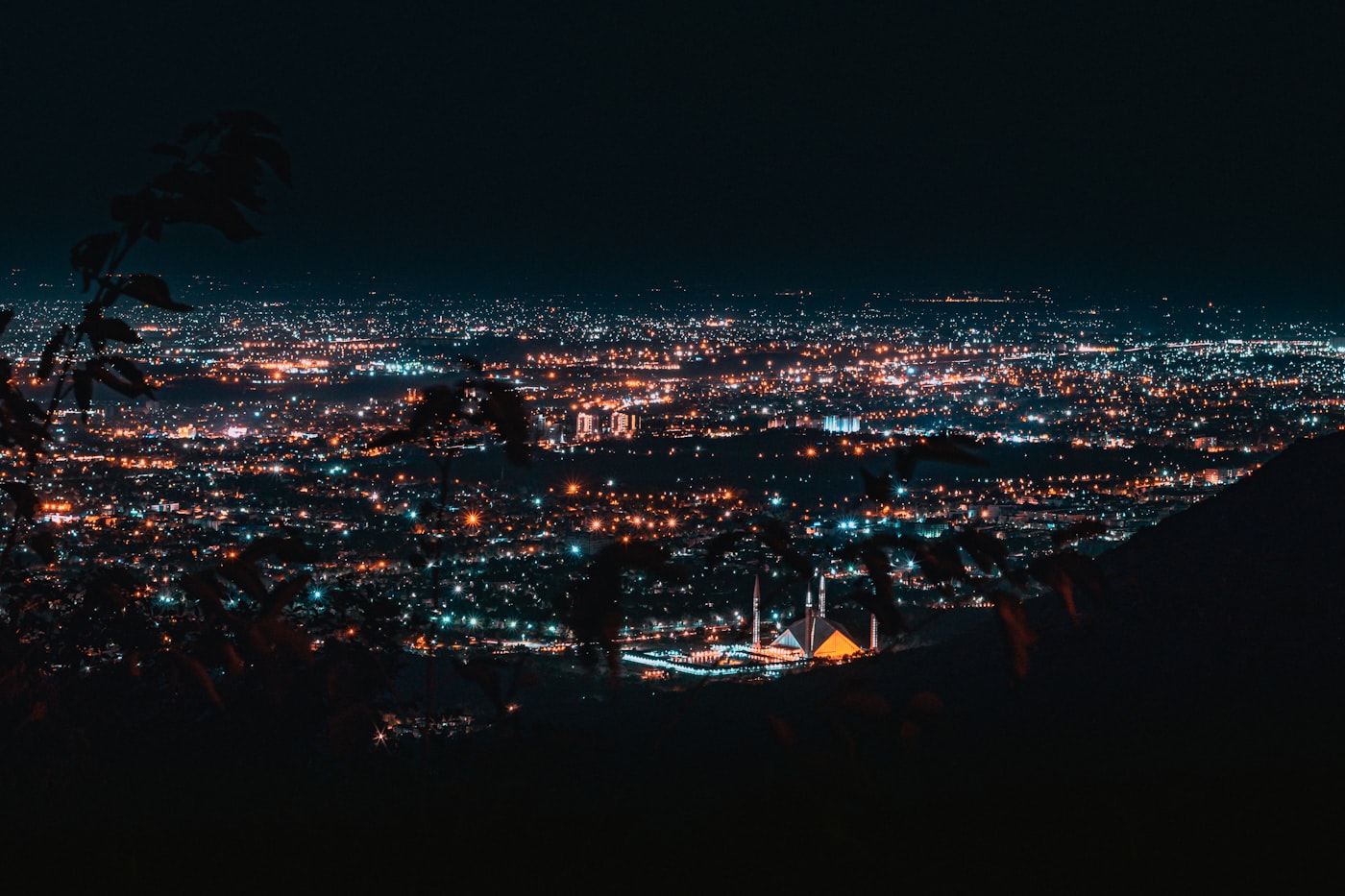
Open the credits of a mid-sized mobile game and you will usually find a list of thirty or forty names. Open the actual production history and you will often find that a good deal of the art, animation, porting and quality assurance was done by people whose names appear nowhere — frequently in Pakistan, India, Vietnam or the Philippines.
This is not a scandal. It is how outsourced production has always worked across every creative industry. But it does mean the standard picture of who builds global games and AI products is systematically incomplete, and the incompleteness has consequences for the countries doing the work.
The work is visible everywhere. The people who did it are visible nowhere.
The invisible layer of global production
Modern game and software production is heavily distributed. A studio in one country designs, another produces assets, a third handles porting to additional platforms, a fourth runs testing. Each layer is contracted, delivered and absorbed into a product that carries a single brand.
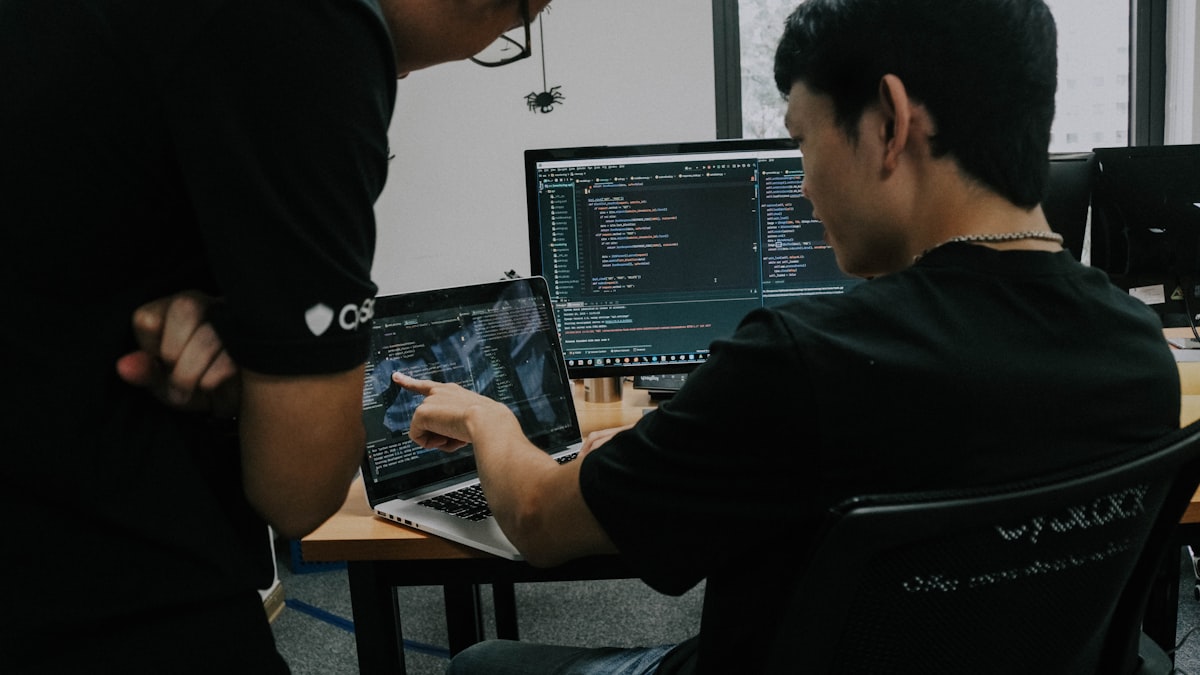
Pakistani teams sit predominantly in the middle layers — asset production, 3D and 2D art, animation, engine porting, QA and increasingly data annotation and evaluation for AI systems. This is genuinely skilled work, frequently on titles with millions of players, and it almost never carries attribution.
The effect is a strange asymmetry. The country's technical output is far larger than its technical reputation, because output is measured by what people can see and attribution is exactly what this work lacks.
Where the work typically sits
- 2D and 3D asset production for foreign studios
- Animation, rigging and technical art
- Porting titles to additional platforms
- QA, and increasingly AI data annotation and evaluation
Why the work stays invisible
Three mechanisms keep it that way, and none of them is malicious. Non-disclosure agreements are standard in outsourced production and frequently prohibit naming the client at all. White-label arrangements mean the delivering studio has no contractual right to claim the work. And subcontracting chains mean the end client sometimes does not know which country the work came from.
On top of this sits a commercial incentive. An agency that resells Pakistani production at Western rates has a direct interest in the origin remaining unclear, and that arrangement is common enough to be unremarkable.
The result is that a studio can spend five years contributing to well-known titles and end up with a portfolio it is contractually forbidden from showing — which is a serious problem when the portfolio is how you win the next contract.
What prevents attribution
- NDAs that prohibit naming the client
- White-label contracts with no right to claim credit
- Subcontracting chains that obscure origin entirely
- Resellers with a commercial interest in ambiguity
What invisibility actually costs
The immediate cost is pricing. A studio that cannot demonstrate its track record negotiates as an unknown quantity every single time, and unknown quantities are priced defensively. The same team doing the same work at the same standard earns materially less than one that can show what it has shipped.
The second cost falls on the country. Reputation is built from visible examples, and a market whose best work is invisible cannot accumulate the reference points that make the next studio easier to trust. Pakistan's technical reputation lags its technical capability for precisely this reason.
The third cost is internal. Developers who cannot show their work struggle to build individual reputations, which pushes them toward employers who will let them — usually foreign remote roles. Invisibility contributes directly to the retention problem.
The compounding costs
- Permanently negotiating from an unproven position
- National reputation lagging national capability
- Individuals unable to build portfolios, so they leave
- Each generation restarting rather than inheriting credibility
How teams become visible
The reliable route out is owned work. A studio that ships even one modest title under its own name has something no NDA can take away, and that single asset changes every subsequent conversation. It does not need to be a commercial success to serve this function — it needs to exist and be demonstrably yours.
Short of that, contracts can be negotiated. Attribution rights, permission to list the client after a delay, or the right to describe the work in general terms are all routinely obtainable if requested during negotiation rather than after signature. Most studios simply never ask.
The third route is adjacent visibility: technical writing, open-source tooling, conference talks and public post-mortems. None of these require disclosing a client, and all of them demonstrate capability directly.

Practical ways to build visibility
- Ship at least one title under your own name
- Negotiate attribution rights before signing, not after
- Publish technical writing and open-source tools
- Give talks and publish honest post-mortems
The same pattern is repeating in AI
AI systems depend heavily on human labour that the finished product conceals entirely: data labelling, output evaluation, red-teaming, and the fine-grained judgement calls that determine whether a model behaves acceptably. A large share of that work happens in South Asia.
It is the same structure as game asset production, one industry later, and it presents the same choice. Countries can remain permanently in the invisible layer, or use the capability built there to move upward into owned products.
The distinction matters because the invisible layer is the first thing automated. Work that is defined precisely enough to be outsourced anonymously is usually defined precisely enough to be automated eventually, which makes moving up not merely ambitious but defensive.
Why moving up is urgent, not optional
- Anonymous contract work is the most automatable layer
- Owned products cannot be commoditised the same way
- Capability built in services transfers to products
- The window to move up is open now, not indefinitely
Negotiating attribution before you sign
Attribution is almost always negotiable and almost never negotiated, because studios raise it after signing when they have no leverage. Asked during negotiation, most clients will agree to some form of credit — naming the client after a release window, describing the work in general terms, or listing it privately for prospective clients.
The cost of asking is close to zero and the cost of not asking compounds across every future negotiation. A studio five years into anonymous contract work has no portfolio, which is the single most expensive consequence of a conversation nobody had.
Attribution terms worth requesting
- Permission to name the client after a delay
- Right to describe the work in general terms
- Private disclosure to prospective clients
- Ask during negotiation, never after signature
From powering the boom to being part of it
Pakistani talent already helps power global gaming and AI. That is not aspiration; it is the current arrangement, visible in the production histories of products used by millions. What is missing is attribution, and attribution is what converts labour into reputation.
Our own answer has been to publish under our own name — 34 titles, all attributable, none of them requiring anyone's permission to discuss. That is a slower path than contract work and it is the only one that accumulates.
Frequently asked questions
Do Pakistani studios work on well-known international games?
Frequently — typically in asset production, animation, porting and QA. Non-disclosure agreements and white-label contracts usually prevent the work being publicly attributed.
Why does the lack of credit matter?
It means studios negotiate as an unknown quantity every time and get priced defensively, the country's reputation lags its capability, and individuals leave for employers who let them build a portfolio.
How can a studio build visibility despite NDAs?
Ship at least one title under its own name, negotiate attribution rights before signing rather than after, and build adjacent visibility through technical writing, open-source tools and public post-mortems.
Is the same happening with AI work?
Yes — data labelling, evaluation and red-teaming follow the same invisible-layer pattern. It is also the layer most exposed to automation, which makes moving toward owned products defensive as well as ambitious.